
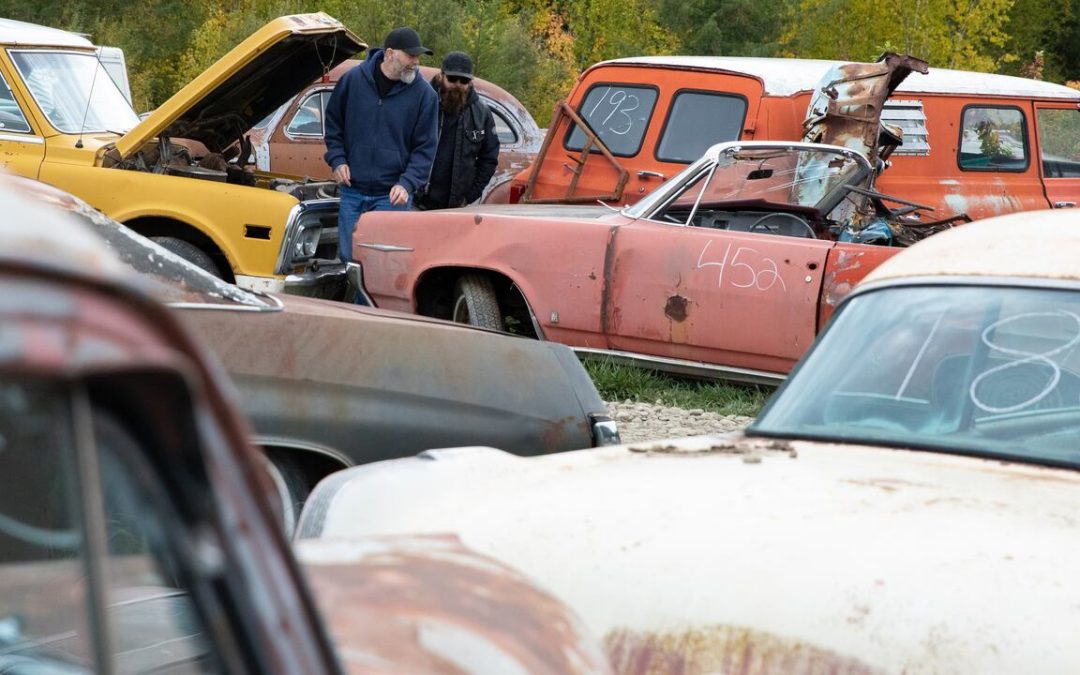
Classic cars with bottom-half rust still sell for premium prices. There are two possible reasons:
- Collectors value original patin, factory configuration and historic provenance
- They don’t realize that the bottom half has rust as they focus on papers and physical condition.
If you are paying a premium price for the first reason, that’s justifiable. In the second case, you paid the premium price but regretted it later. You crouch down and look underneath. The whole story changes, as there is rust on the bottom half of the car, in the floor pans and frame rails.
These parts are the most expensive ones to restore. Rust on the bottom half of the car is the easiest to hide, as most buyers look at the top half of a classic car.
Bottom Half Tells the Real Story
Car enthusiasts don’t buy classic cars for the sake of power or reliability; they admire the art of classic cars, design philosophies, and historical value. The top of the car is what attracts the most classic car lovers.
Water, road salt, mud, and moisture collect in the lowest parts of the body. These parts are hard to dry out and clean. When the bottom half is exposed for decades, rust is inevitable.
A classic car can look shiny from the outside and still be structurally compromised. This is why Nspectacar has specialized pre-purchase inspectors that know how to check every possible aspect of a classic car.
Rust Hidden behind Premium Price Tag
Rust on the bottom half does not mean that the seller is dishonest. Some owners genuinely don’t know what’s happening beneath the car.
Here are some ways rust on the bottom half may remain hidden from sellers and buyers. It is also possible that some dealerships or sellers may intentionally hide the conditions.
- Fresh undercoating or underbody paint
- Fiberglass patches and body filler
- Cosmetics respray
- Fresh detailing and polishing
- Rust that is not easily visible
With these issues, no buyer will pay a premium price, and sellers know this fact very well. They keep rust hidden to sell classic cars at a premium price.
Real Cost of Rust Problem
Removing rust from a classic car is one of the most labor-intensive jobs and can cost way more than normal car repair. Experts carefully remove rust by hand or with machines without damaging or cutting the materials. People don’t like to replace panels in classic cars, so they spend more money on careful restoration.
Rust at one spot means many other parts will also be affected. Rust rarely stays confined to one part of the car.
After buying a classic car with rust, first you will spend a massive amount on rust removal, and at the time of selling, the next buyer may not appreciate this car as you did. Owning and selling a classic car with rust is going to be a huge financial risk.
Nspectacar Pre-purchase Inspection Changes Everything
Hiring PPI by Nspectacar will get you a trained team of inspectors who will inspect classic cars for every possible issue, electrical or mechanical faults, cosmetic repairs, and overall problems.
We offer classic car pre-purchase inspections in Seattle, Bellevue, Tacoma, Federal Way, and surrounding areas. Nspectacar team checks for more than 125 points in every classic or modern car as part of the inspection, including:
- Rust and corrosion on floor pans and bottom half
- Signs of previous major repairs and cosmetic work
- Mechanical or electrical faults
- Body damage that might compromise structural integrity
- Engine, transmission, and drivetrain health
- Whether the car justifies the price demanded by the seller
A small cost of pre-purchase inspection by Nspectacar can protect your big purchase. Don’t let a dream car become a nightmare; contact us at Nspectacar for PPI services for classic cars.
Recent Comments